How On-Site Food-Waste Digestion Works
A step-by-step look at how a Zwaste Digester turns food waste into liquid in a 24-hour cycle, without leaving your site.
Food waste is heavy, wet and expensive to move. Every bin that leaves your building means a haulage trip, a truck on the road and a smell waiting to happen. On-site digestion takes a different approach: treat the waste where it is produced, and there is far less to haul away.
Here is how a Zwaste Digester does it.
What is on-site digestion?
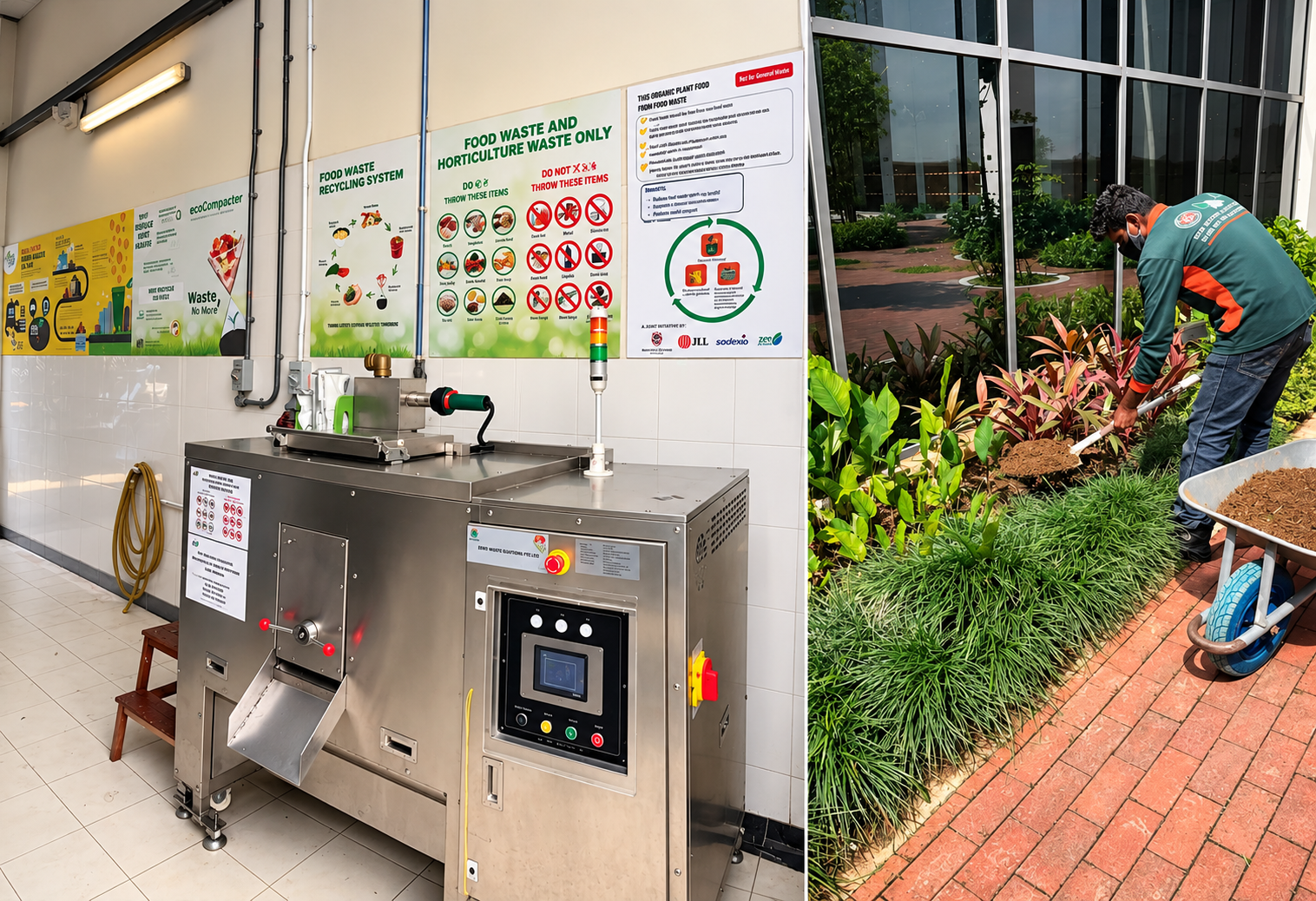
A Zwaste Digester is a self-contained, continuous system that bio-converts solid food waste into liquid. Instead of decomposing over days in a bin, the waste is broken down by microbes inside the unit within a 24-hour cycle. The system is fully automated and fed continuously, so your team simply loads food waste as it is generated.
The four stages
1. Inoculate with microbes. The process starts with a healthy culture of microbes that do the digesting. They are replenished once a year, and with continuous feeding the culture stays active between top-ups.
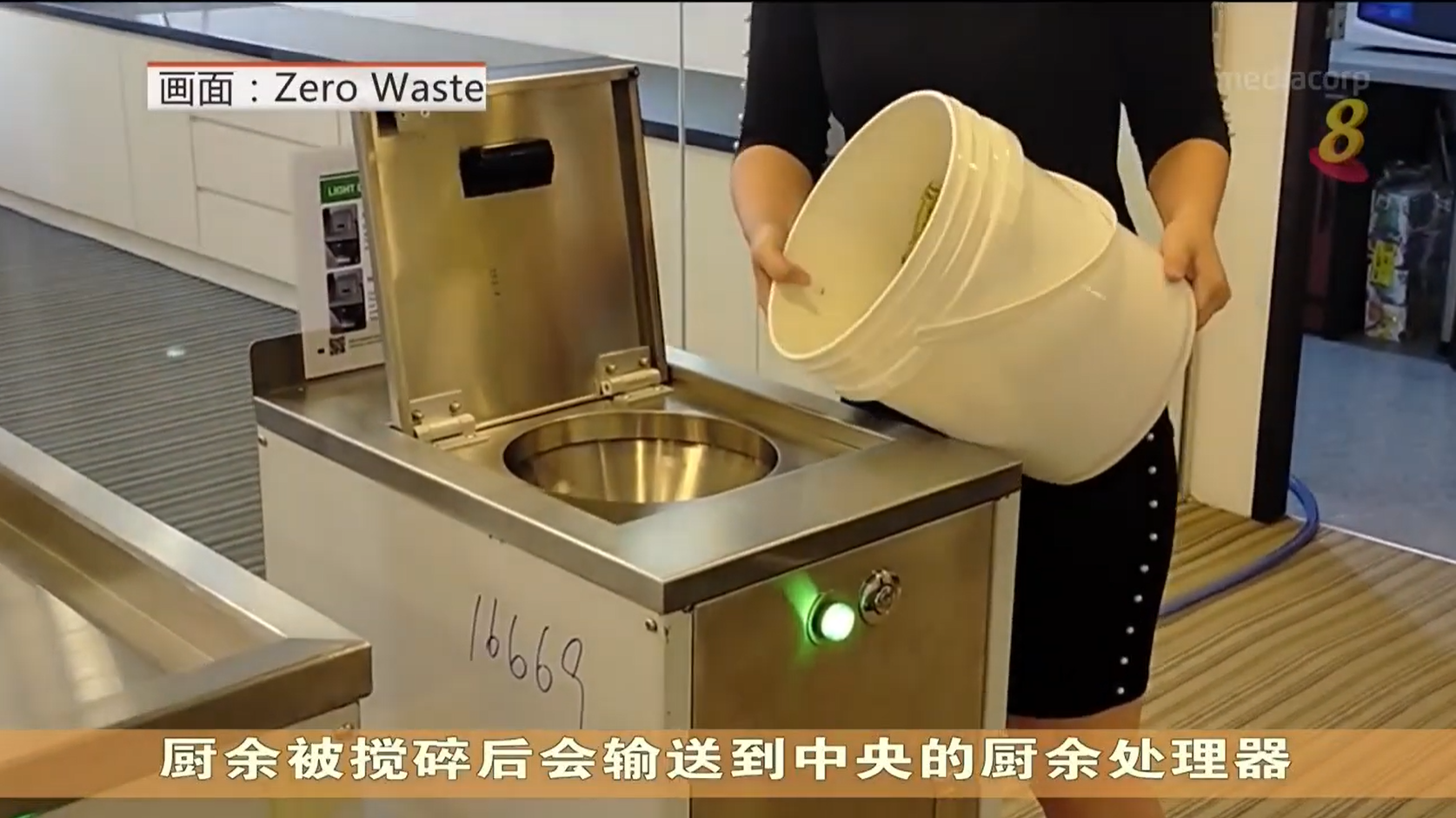
2. Load the food waste. Staff tip food waste into the unit. It accepts everyday kitchen and food-production waste: rice, noodles, pasta, fruits, vegetables, poultry, seafood and shells, and raw or cooked meat with bones.
3. Breakdown and digestion. A built-in grinder pulverises the waste, including bones and seafood shells, giving the microbes far more surface to work on. The microbes then digest the material over a 24-hour cycle.
4. Liquid conversion. What comes out is liquid, not a bin of solids. Depending on your site, that liquid can be handled in one of three ways.
Where does the output go?
- Recycled water for system backwashing
- Liquid nutrient for landscaping
- Discharge as greywater, where applicable to your site
The right option depends on your site layout and requirements, and is worth settling during your installation plan.
Why it matters
- Fewer haulage trips. Less solid waste leaving your site means fewer collections and a lower carbon footprint from transport.
- Simple for staff. Fully automated with continuous feed, so there is no batch handling.
- Built around your site. Digesters can be customised to site constraints and sized by capacity to match how much food waste you produce.
- Room to tailor. Optional add-ons such as a bin lifter, load cell, remote monitoring, user identification and a dewatering system let you fit the unit to how your operation works.
Is a Digester right for you?
If your site produces steady volumes of mixed food waste and you want it dealt with on the spot, a Digester is a strong fit. If you would rather end up with compost for gardens and landscaping, a Composter may suit you better. We will help you compare both.
Ready to see what fits your site? Find your solution or make an enquiry, and our team will talk you through your options.

Get started
Let’s size the right solution for your site
Tell us about your waste and space, and we’ll match you to the right Digester or Composter — with the capacity and add-ons to suit, and a clear path to installation.
- A solution matched to your daily volume
- Recommended model, capacity and add-ons
- An installation plan that fits your operations