Composting vs Digestion: Two Ways to Treat Food Waste On-Site
Both treat food waste where it is produced, but they end with very different outputs. Here is how to tell which suits your site.
Treating food waste on-site can mean two quite different things. One turns waste into liquid. The other turns it into compost. Zero Waste Solutions offers both, the Zwaste Digester and the Zwaste Composter, and the right choice usually comes down to what you want at the end of the process.
The short version
- Digester: food waste in, liquid out, within a 24-hour cycle.
- Composter: food waste in, compost out, also within a 24-hour cycle.
How the Digester works
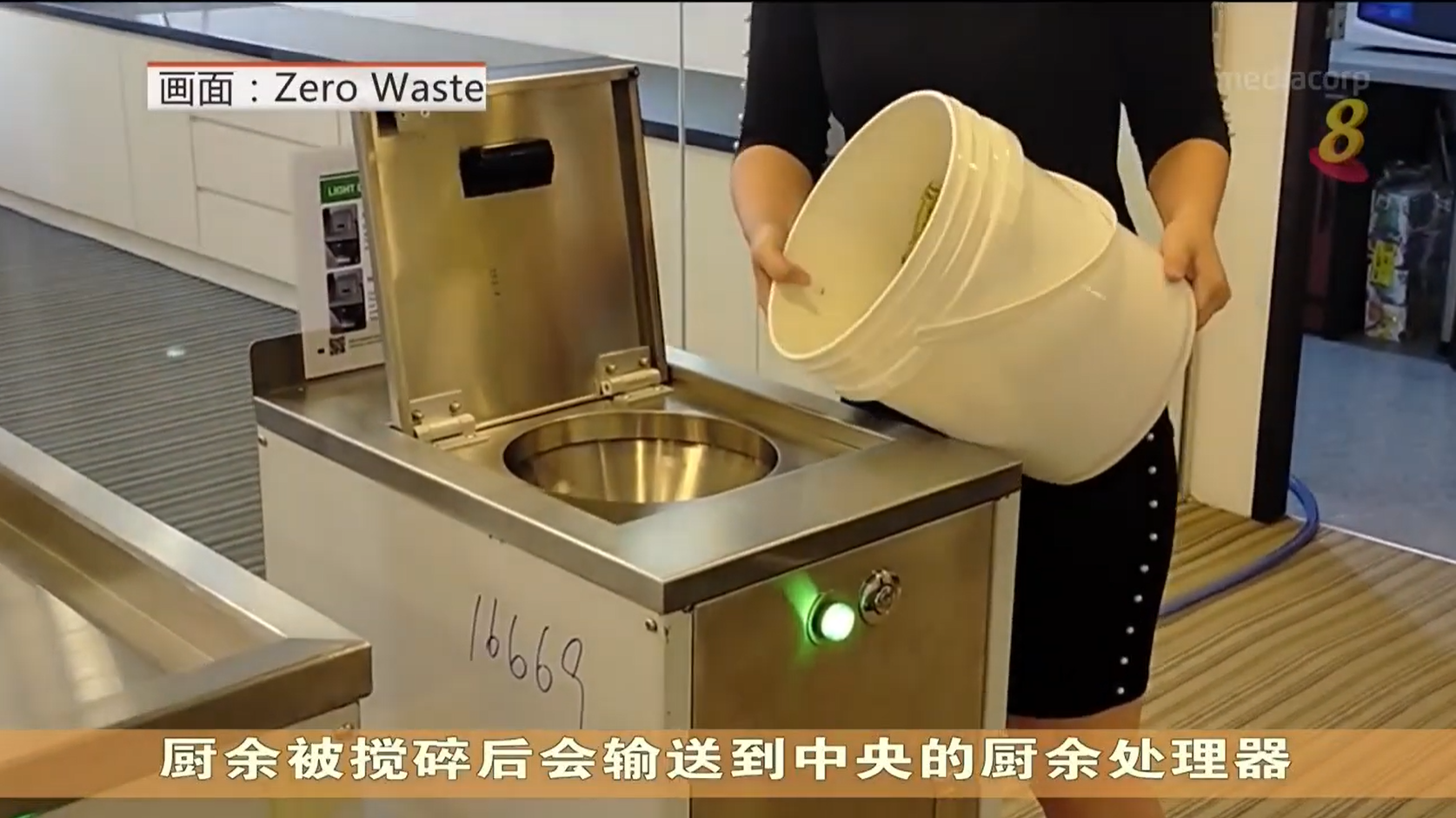
The Zwaste Digester is a continuous, fully automated system. A built-in grinder crushes bones and seafood shells, and microbes bio-convert the solid waste into liquid. That liquid can be reused as recycled water for system backwashing, used as a liquid nutrient for landscaping, or discharged as greywater where applicable.
How the Composter works
The Zwaste Composter is an on-site batch or continuous system. Food waste is mixed with wood chips or horticultural waste in a heated, controlled environment, where facultative bacteria (Bacilli, Bio-Safety Level 1) do the work. Around 30 to 40 percent of the input becomes compost within 24 hours, with a 50 to 70 percent reduction in weight and volume. The bacteria are replenished roughly every three months.
Comparing the two
- Output: liquid (Digester) or compost soil enhancer (Composter).
- Best if you have: no use for compost and want waste gone from site (Digester), or gardens, rooftop planters or landscaping that can use compost (Composter).
- Operation: Digester is continuous feed. Composter suits batch or continuous loading, with a gardener collecting compost from the discharge drawer after 24 hours.
- Capacity: both come in a range of sizes, chosen by how much food waste you produce each day.
Add-ons for both
Each solution is sold as a base model plus optional add-ons: bin lifter, load cell, built-in grinder, remote monitoring and user identification. A dewatering system is available on the Digester.
Which should you choose?
Ask two questions. What do you want to do with the output? And how much food waste do you produce each day? If you can use compost, the Composter closes the loop on site. If you would rather not handle a solid output, the Digester keeps things simple. Not sure? Tell us about your site and we will recommend the right fit.

Get started
Let’s size the right solution for your site
Tell us about your waste and space, and we’ll match you to the right Digester or Composter — with the capacity and add-ons to suit, and a clear path to installation.
- A solution matched to your daily volume
- Recommended model, capacity and add-ons
- An installation plan that fits your operations