Fewer Trucks, Lower Carbon: Why On-Site Treatment Cuts Emissions
Every waste collection is a truck journey. Treating food waste where it is produced means fewer of them.
Food waste is one of the heaviest things a building sends out. It is dense with water, so it weighs a lot for its size, and it has to be collected often before it turns. That means regular trucks, regular fuel and regular emissions.
The hidden cost of hauling
Collecting food waste sends a vehicle to your site, then on to a treatment facility, again and again. Each trip adds to your building's indirect emissions, on top of the waste itself.
Treat it where it is produced
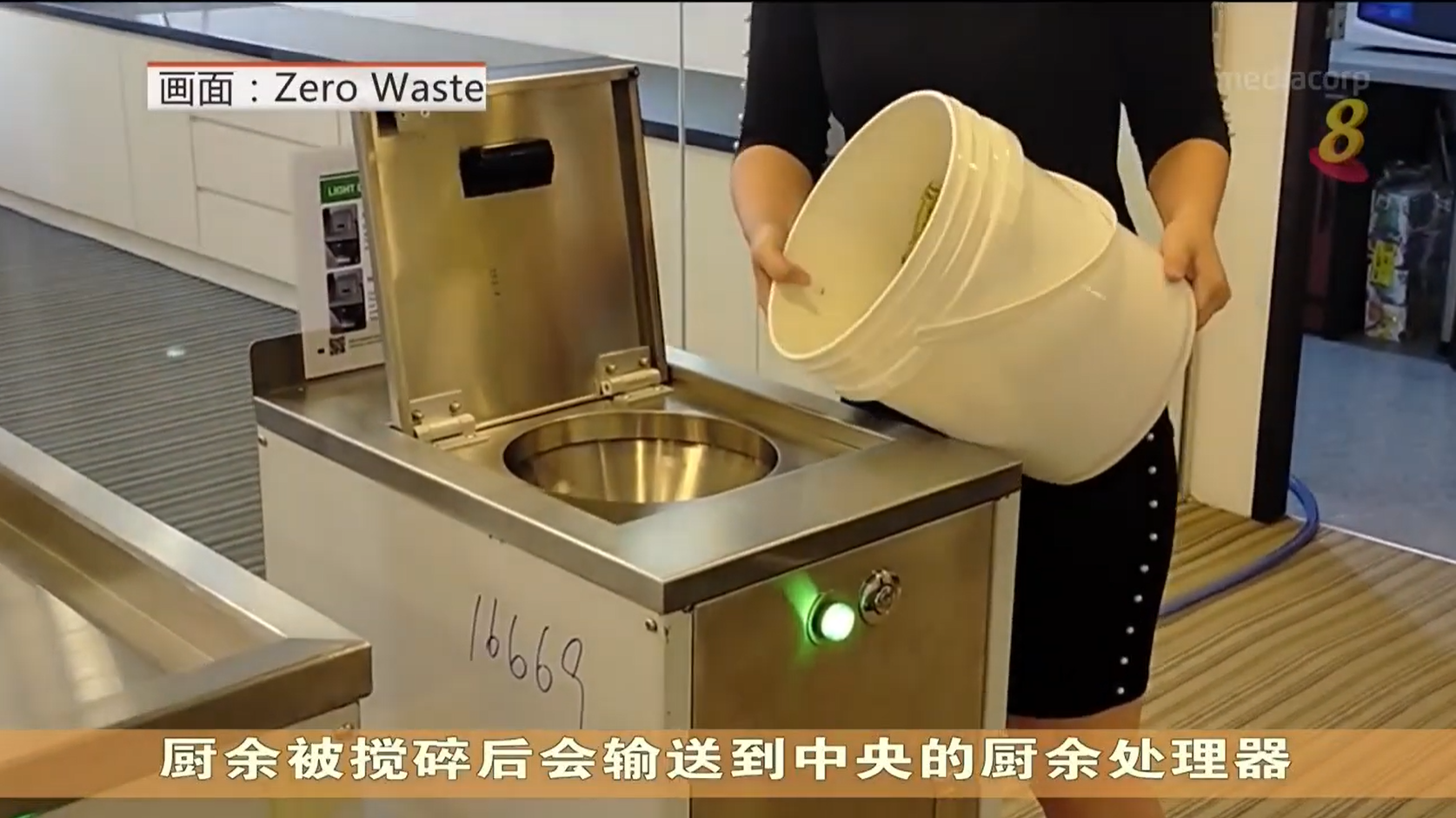
On-site systems such as the Zwaste Digester and Zwaste Composter change the picture. The Digester converts food waste into liquid, and the Composter converts it into compost while cutting weight and volume by 50 to 70 percent. With less solid waste to move, there are fewer haulage trips and a lower carbon footprint.
More than a transport saving
- Outputs get reused. Recycled water can back-wash the system, liquid nutrient can feed landscaping, and compost can enrich soil for rooftop gardens and plant potting.
- Less waiting. Waste is treated within a 24-hour cycle instead of sitting in bins.
- Cleaner back of house. Less storage and fewer bin movements.
Where to start
Begin by understanding how much food waste your site produces each day. From there, we can help you choose between a Digester and a Composter and plan the installation.

Get started
Let’s size the right solution for your site
Tell us about your waste and space, and we’ll match you to the right Digester or Composter — with the capacity and add-ons to suit, and a clear path to installation.
- A solution matched to your daily volume
- Recommended model, capacity and add-ons
- An installation plan that fits your operations